Critical Infrastructure
Advanced Manufacturing Technician
Prepare for a hands-on career helping operate, maintain, and troubleshoot the equipment used in modern manufacturing facilities. In 15 weeks, you'll build practical skills in mechanical systems, industrial electricity, fluid power, and automated equipment while learning how technicians help keep production running safely and reliably. Training prepares you for entry-level roles such as Manufacturing Technician, Industrial Maintenance Technician, and Automation Technician.
Time Commitment: Full-Time, 35 hours/week in Live Class
There are no upcoming Advanced Manufacturing Technician classes right now
Find out when we'll offer this course again
Leave your details and we'll email you when new Advanced Manufacturing Technician classes open.
Thanks! We'll email you when new Advanced Manufacturing Technician classes are scheduled.
What Does an Advanced Manufacturing Technician Do?
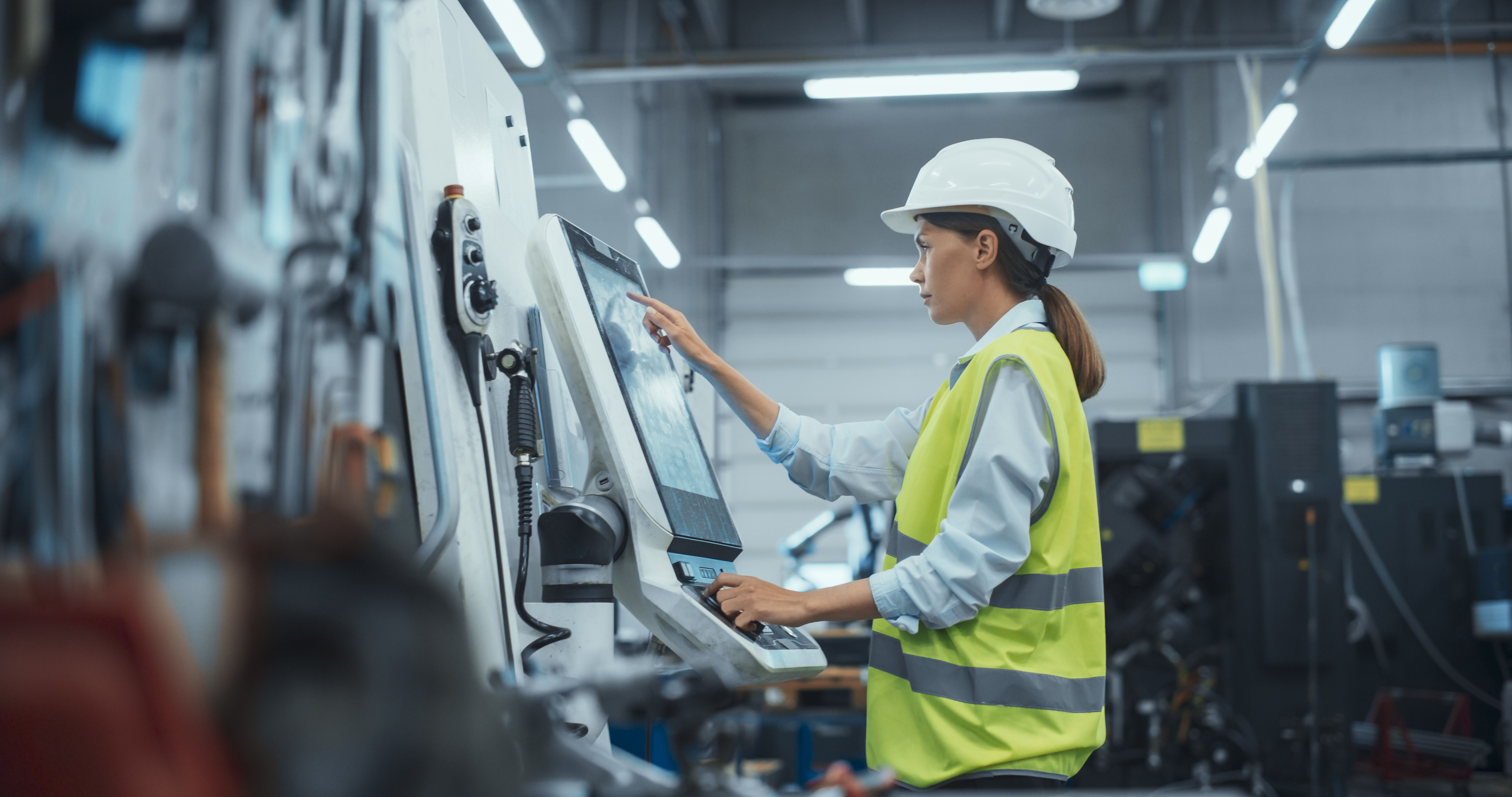
Modern manufacturing facilities rely on mechanical, electrical, and automated systems to keep production moving. Advanced Manufacturing Technicians help keep this equipment operating safely and reliably by inspecting systems, performing maintenance, and troubleshooting problems when equipment is not working as expected.
Work With Modern Manufacturing Equipment: Support motors, pumps, conveyors, sensors, automated systems, and other equipment used in industrial production.
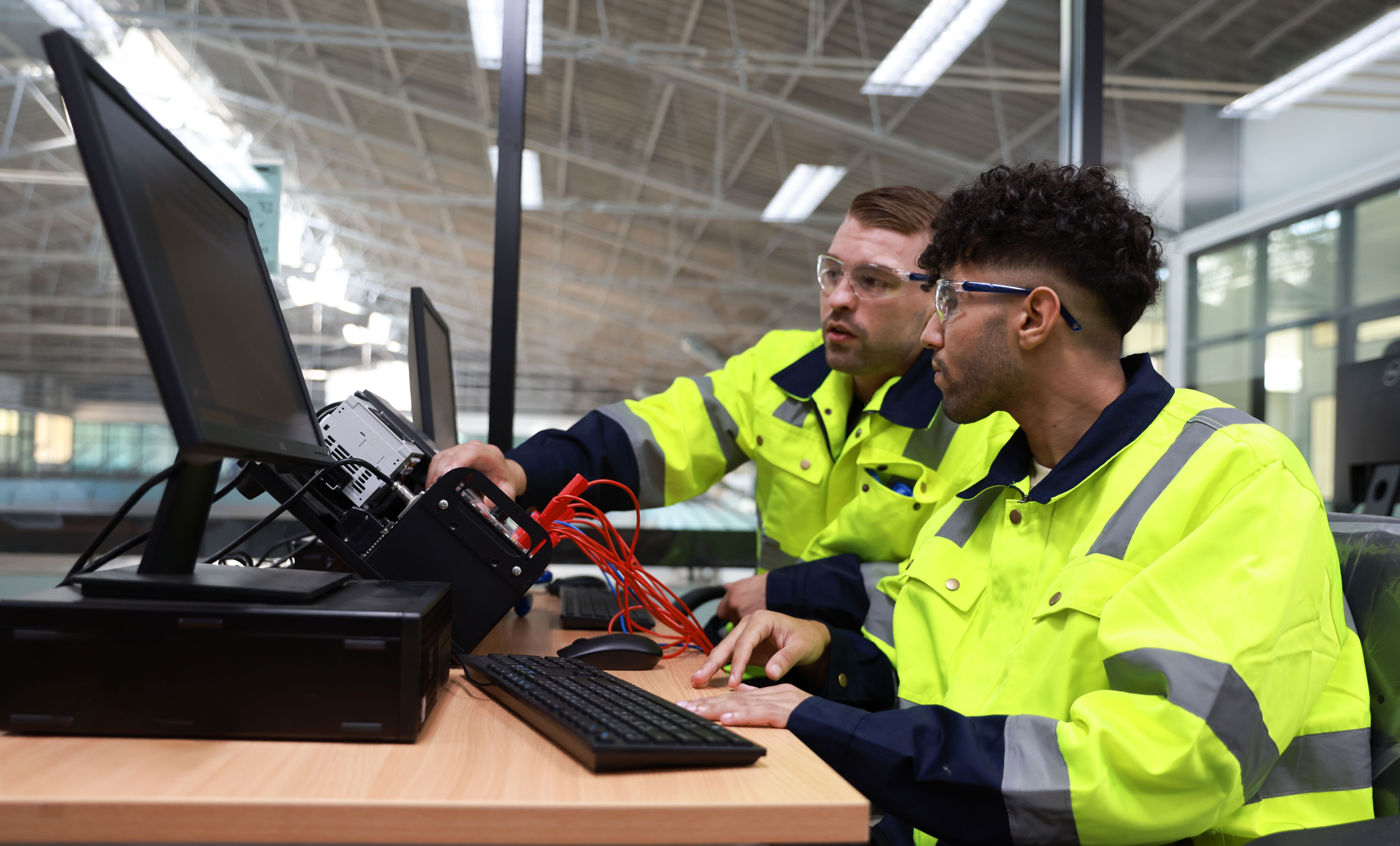
Build Hands-On Technical Skills: Use tools, test equipment, diagrams, and measurements to inspect equipment, identify problems, and support maintenance.
Work Safely and Precisely: Follow safety procedures, including lockout/tagout, and use structured troubleshooting to help keep equipment and production systems running reliably.
Could This Be Your Next Career?
You may be a good fit for advanced manufacturing if you:
You may be a good fit for advanced manufacturing if you:
- Prefer hands-on, problem-solving work over sitting at a desk all day.
- Like figuring out how things work and why they stop working.
- Like having clear procedures and knowing the right way to complete a task.
- Are comfortable using tools.
- Notice small details or changes that others might miss.
- Are patient and willing to keep working through a problem until you understand it.
- Take pride in doing careful, reliable work.
What You'll Learn
By the end of training, you'll be able to:
- Work Safely: Follow safety procedures for electrical, mechanical, and automated equipment.
- Read Schematics: Use mechanical, electrical, and process diagrams to understand how industrial systems operate.
- Troubleshoot Equipment: Identify and report problems involving motors, pumps, fluid systems, sensors, and automated equipment.
- Perform Maintenance: Complete preventive maintenance and safely use common tools and test equipment.
- Use AI Responsibly: Use approved AI tools to support troubleshooting, documentation, and technical problem-solving while verifying results.
How You'll Learn
Build confidence by practicing the responsibilities technicians perform in manufacturing facilities.
- Hands-On Labs & Simulations: Practice reading schematics, using tools and test equipment, diagnosing equipment problems, and completing preventive maintenance.
- Instructor-Led Technical Training: Build foundational skills in industrial electricity, mechanical systems, pneumatics, hydraulics, automation, and robotics.
- Troubleshooting Capstone: Bring your skills together by identifying equipment faults, applying safe lockout/tagout procedures, determining possible causes, and documenting your work.
Career Opportunities After Training
After completing the program, you'll be prepared to pursue entry-level positions such as:
- Manufacturing Technician
- Industrial Maintenance Technician
- Automation Technician
- Industrial Machinery Mechanic
- Electro-Mechanical Technician
In these roles, you may inspect and maintain industrial equipment, troubleshoot mechanical or electrical problems, monitor equipment performance, use tools and test devices, and help keep manufacturing systems operating safely and reliably.
What to Expect
Advanced manufacturing is an on-site, active career inside production and industrial facilities.
- You'll work around electrical, mechanical, fluid-power, and automated equipment while wearing appropriate safety equipment.
- Day-to-day work may include inspecting equipment, reading schematics, using hand and power tools, taking measurements, troubleshooting faults, and performing routine maintenance.
- Safety and equipment reliability are critical. Technicians must follow established procedures, including lockout/tagout, when working around machinery.
- The work can be physical and may involve standing for long periods and occasionally lifting up to 50 pounds.
- While many roles are on day shifts, employers may also require flexibility for night shifts, weekends, rotating shifts, on-call coverage, or overtime when equipment requires urgent maintenance or repair.
Your Career Can Grow From Here
Entry-level manufacturing and maintenance roles can help you build the experience needed to take on more specialized responsibilities in automation, controls, robotics, mechatronics, or industrial maintenance as your skills grow.