Critical Infrastructure
Low Voltage & Fiber Technician
Install and maintain the cabling that keeps businesses, networks, and data centers connected. In 11 weeks of no-cost, hands-on training learn to install, test, and troubleshoot copper and fiber-optic cabling and document support work using AI and ServiceNow. Prepare to earn OSHA 10-Hour and NFPA 70E certifications at no cost to you. These help show employers your workplace and electrical safety knowledge.
Time Commitment: Full-Time, 35 hours/week
Course Level
Foundational
Length
11 weeks
Exact dates vary by class
Certifications
- FOA Certified Fiber Optic Technician (CFOT)
- Google AI Essentials
- Google AI Professional
- IT Service Management (ITSM) Fundamentals
- NFPA 70E Electrical Safety
- OSHA-10 General Industry
- Welcome to ServiceNow
Requirements
No previous experience is required. You must:
- Be comfortable with hands-on physical work, including occasionally lifting up to 50 lbs, standing or bending for extended periods, and using common power tools.
- Be able to distinguish color-coded cabling and components, with or without corrective lenses.
- Meet Per Scholas minimum eligibility requirements.
- Complete 6 hours of free online Tech Prep Work before class begins.
Get Class Details by Location
Low Voltage & Fiber Technician is offered in two locations. Select a location to view specific campus class schedule and details.
Course Format
Instruction
Instructor-led
Dates, hours and length vary by class — see below
Upcoming classes1 at Dallas
| Starts | Apply by | Ends | Meets | Format | Version code |
|---|---|---|---|---|---|
| Feb 15, 2027 | Feb 1, 2027 | Apr 30, 2027 | Monday - Friday9:00 AM – 4:00 PM CT | Hybrid | 1019 |
Course Format
Instruction
Instructor-led
Dates, hours and length vary by class — see below
Upcoming classes1 at Phoenix
| Starts | Apply by | Ends | Meets | Format | Version code |
|---|---|---|---|---|---|
| Dec 7, 2026 | Nov 23, 2026 | Mar 9, 2027 | Monday - Friday9:00 AM – 4:00 PM MT | In-Person | 1019 |
What is a Low Voltage & Fiber Technician
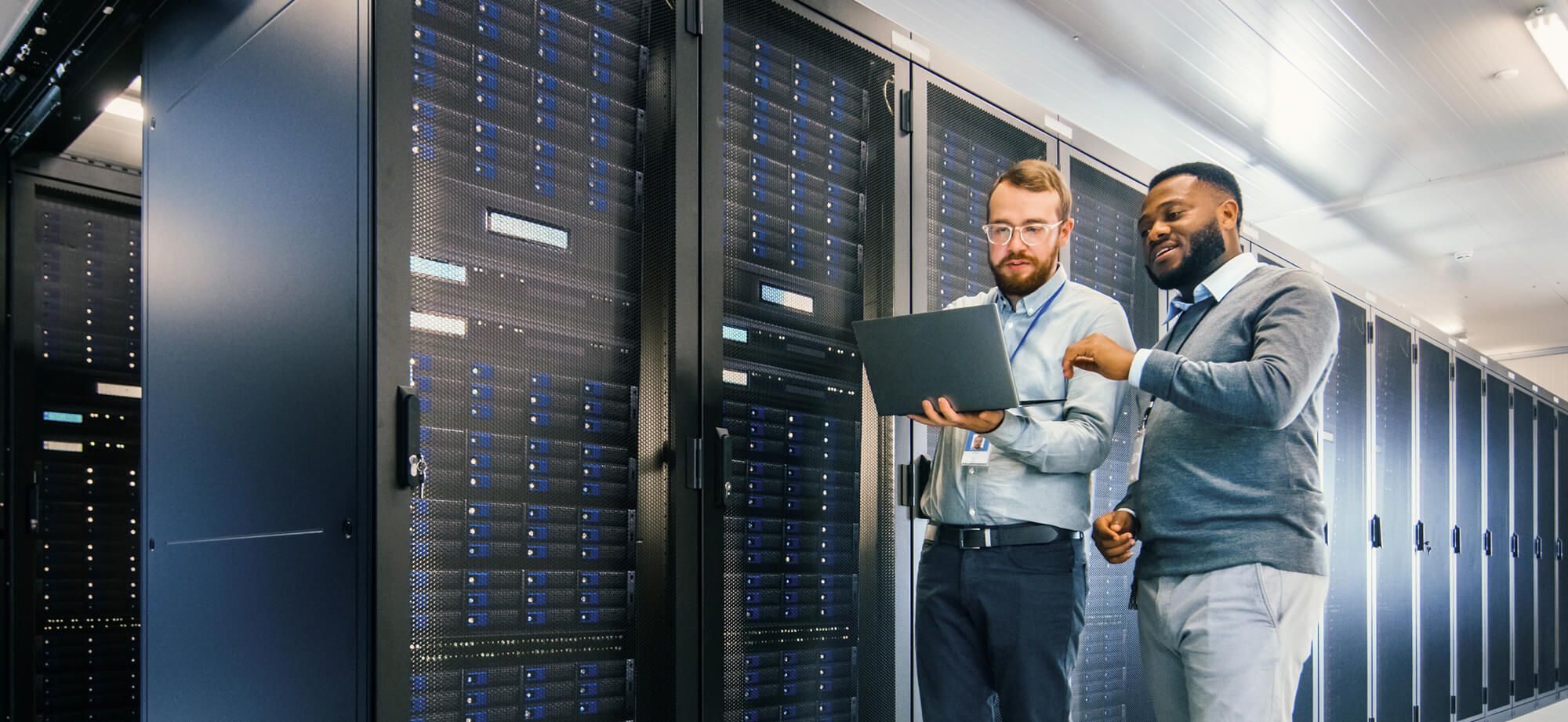
From high-speed internet and Wi-Fi to security cameras and data centers, modern technology depends on physical cabling to stay connected. Low Voltage Fiber Technicians install, connect, test, and troubleshoot the copper and fiber optic cabling and connected systems that carry data throughout buildings.
Build Hands-On Installation Skills: Learn to install, connect, test, and troubleshoot copper and fiber optic cabling through live instruction, labs, and real-world projects.
Develop Specialized Fiber Skills: Practice terminating, splicing, inspecting, and testing fiber while preparing for the FOA Certified Fiber Optic Technician (CFOT) certification.
Supercharge Your Job Search: Work directly with dedicated career coaches and use AI tools to develop a tailored resume, practice technical and behavioral interviewing, and confidently present your skills to employers.
Is This Right For You?
You may be successful in this training if you want to start a hands-on career in infrastructure tech and:
- Enjoy building, fixing, installing, or figuring out how things work.
- Pay attention to details and follow instructions carefully.
- Are comfortable standing, lifting up to 50 lbs, and using tools.
- Prefer hands-on work to spending most of the day at a desk.
- Can commit 35 hours weekly to instruction, labs, and career prep, plus additional study outside class.
What You'll Learn
By the end of the training, you'll be able to:
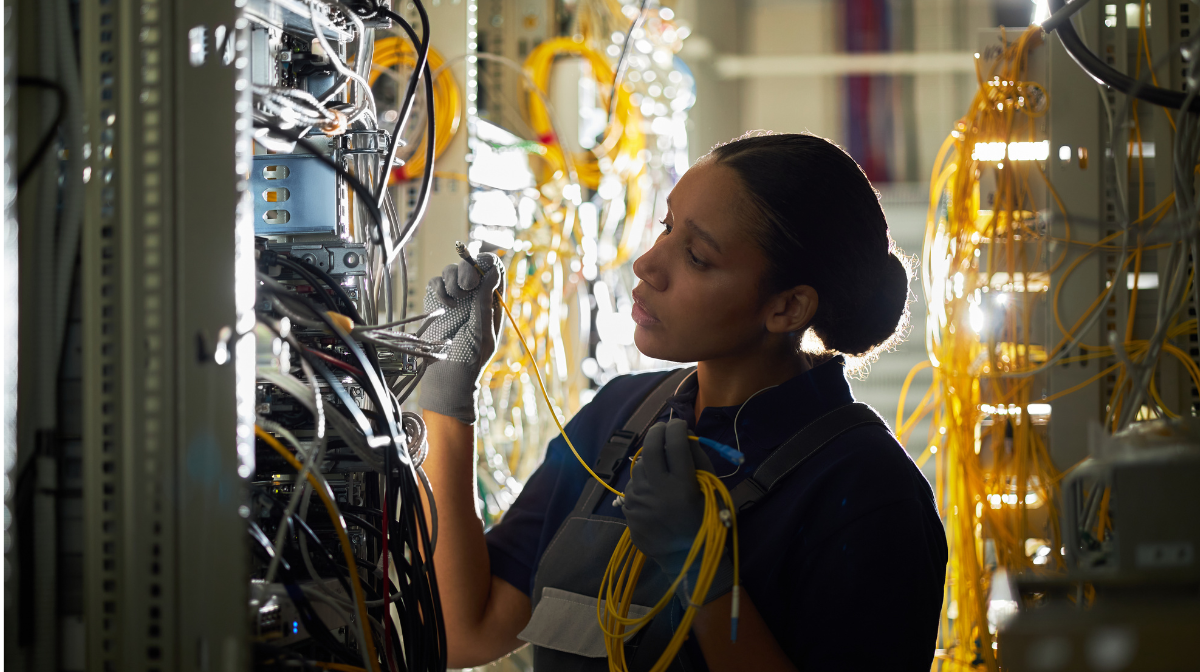
- Install and test the copper cabling that connects networks and devices, using the tools and equipment technicians use on the job.
- Run cabling safely through buildings and build the pathways that support it, including conduit.
- Build and repair fiber optic connections, including preparing, splicing, connecting, inspecting, cleaning, and testing fiber.
- Connect cabling to networked equipment and devices, including switches, wireless access points, and cameras, and make sure connections are working.
- Find and troubleshoot cabling and connection problems using testing equipment and other diagnostic tools.
- Document and manage your work using work orders, labels, test results, ServiceNow, and AI tools that can support troubleshooting and productivity.
How You'll Learn
Build confidence by practicing the same types of installation and troubleshooting tasks you'll encounter on the job.
- Hands-On Training: You'll use tools to build cable pathways, install and terminate copper cabling, work with patch panels, connect network equipment, and test completed installations.
- Fiber Optic Training and Certification Prep: You'll practice handling, terminating, splicing, inspecting, and testing fiber optic cabling while preparing for the FOA Certified Fiber Optic Technician (CFOT) exam.
- Workplace and Career Preparation: You'll complete a full low-voltage installation project, use AI and workplace technology to support your work, and partner with career coaches to prepare your resume, practice interviewing, and confidently launch your job search.
Career Opportunities After Training
After completing the program, you'll be prepared to pursue entry-level positions such as:
- Fiber Optic Technician
- Low Voltage Technician
- Structured Cabling Technician
- Data Center Cabling Technician
- Field Installation Technician
In these roles, you'll install and test cabling, connect equipment, troubleshoot problems, and help build the physical infrastructure that keeps homes, businesses, and data centers connected.
Your Career Can Grow From Here
Many professionals begin in installation roles before building deeper expertise in fiber optics, network infrastructure, or other low-voltage systems. The hands-on skills you develop can create opportunities to take on more advanced technical and field responsibilities as you gain experience.
What to Expect
- Most entry-level roles are on-site because the work involves physically installing and testing cabling and equipment.
- Day-to-day work may include using tools, pulling and labeling cable, connecting equipment, testing installations, and documenting completed work.
- Your first role is the beginning of your low-voltage career—not the destination.
Low Voltage & Fiber Technician
- View Admissions Process
Before You Apply
Review eligibility requirements and understand each step of the admissions process so you know exactly what to expect before submitting your application.
- Explore Learner Resources
Learner Resources
Your success extends beyond the classroom. From career coaching to learner support and financial resources, we're here to help you succeed from your first day of training through your job search.