Critical Infrastructure
Semiconductor Manufacturing Technician
Prepare for a hands-on career helping manufacture the microchips that power phones, vehicles, medical equipment, AI technology, and more. In 15 weeks, you'll learn how to work safely inside a semiconductor manufacturing facility, monitor production equipment, inspect silicon wafers for quality, and respond when something doesn't look right. Training prepares you for entry-level roles such as Process Technician, Equipment Technician, and Wafer Fab Operator.
Time Commitment: Full-Time, 35 hours/week in Live Class
Course Level
Foundational
Length
15 weeks
Exact dates vary by class
Certifications
- Google AI Professional
- OSHA-10 General Industry
Requirements
No previous experience is required. You must:
- Be comfortable staying active and on your feet for full shifts, including bending, reaching, and moving around equipment while wearing protective cleanroom clothing.
- Be able to perform precise, repetitive tasks and lift up to 25 pounds as needed.
- Meet Per Scholas minimum eligibility requirements.
- Complete 14.5 hours of free online Tech Prep Work before class begins.
Get Class Details by Location
Semiconductor Manufacturing Technician is offered in one location (Phoenix).
Course Format
Instruction
Instructor-led
Dates, hours and length vary by class — see below
Upcoming classes1 at Phoenix
| Starts | Apply by | Ends | Meets | Format | Version code |
|---|---|---|---|---|---|
| Jan 25, 2027 | Jan 11, 2027 | May 10, 2027 | Monday - Friday9:00 AM – 4:00 PM PT | In-Person | 1041 |
What Does a Semiconductor Manufacturing Technician Do?
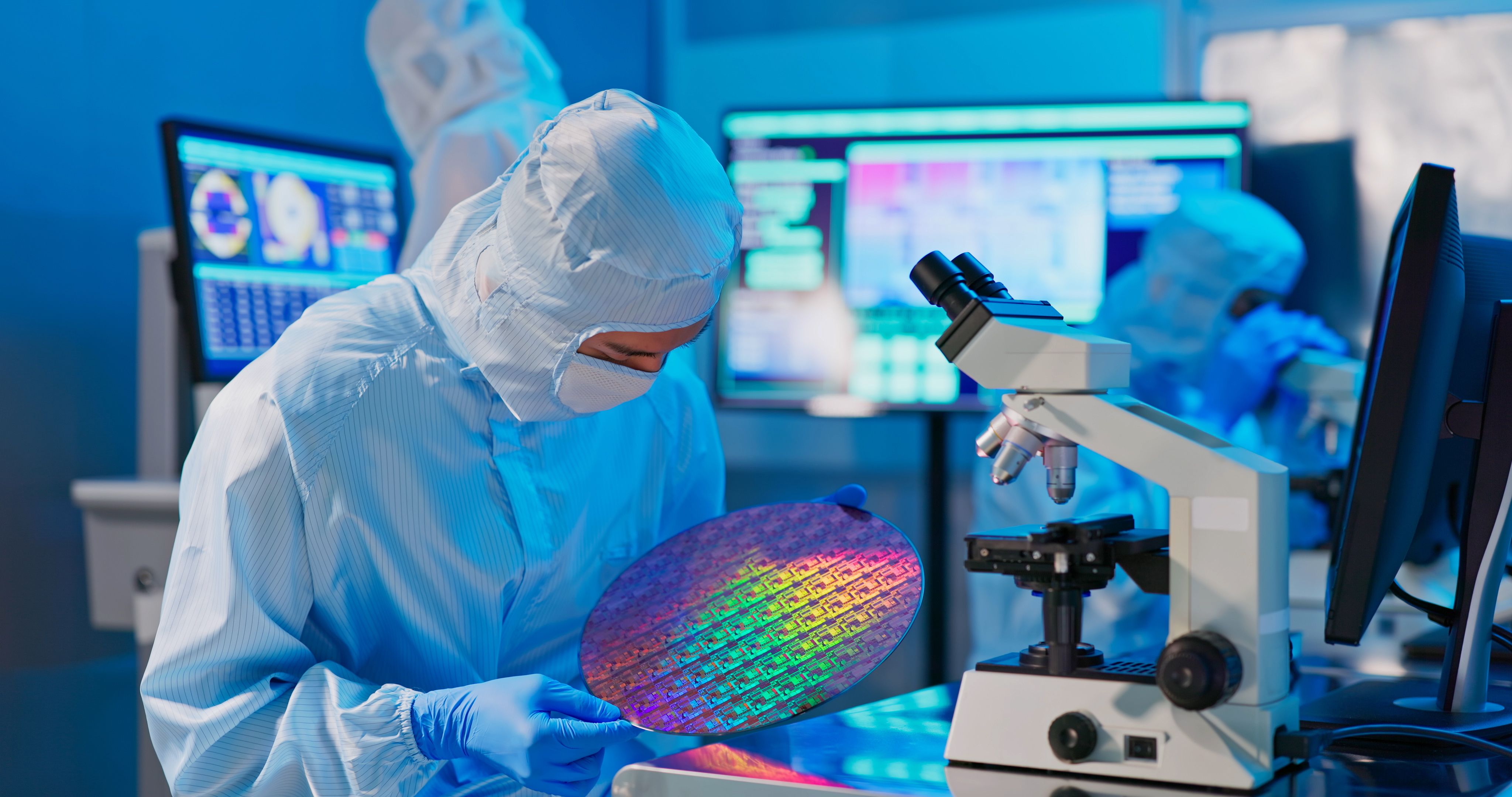
Microchips power everything from smartphones and vehicles to medical equipment and AI technology. Semiconductor Manufacturing Technicians help make these chips by supporting the equipment, materials, and processes used inside high-tech manufacturing facilities called fabs.
Work in a High-Tech Manufacturing Environment: Support the process of turning silicon wafers into microchips by working around specialized equipment and production systems.
Build Hands-On Technical Skills: Check equipment, inspect wafers, monitor production steps, and help identify when something does not look or operate as expected.
Work Safely and Precisely: Follow cleanroom and safety procedures, document your work accurately, and know when an issue should be escalated.
Could This Be Your Next Career?
You may be a good fit for semiconductor manufacturing if you:
- Prefer hands-on work and being active rather than sitting at a desk all day.
- Notice when equipment, gauges, warning lights, or other conditions do not look or sound right.
- Appreciate clean, organized work environments and following step-by-step procedures carefully and consistently.
- Are comfortable doing precise or repetitive tasks accurately.
- Want to work around advanced equipment and see the physical results of your work.
What You'll Learn
By the end of the training, you'll be able to:
- Work Safely in a Cleanroom: Follow gowning, contamination-control, and workplace safety procedures.
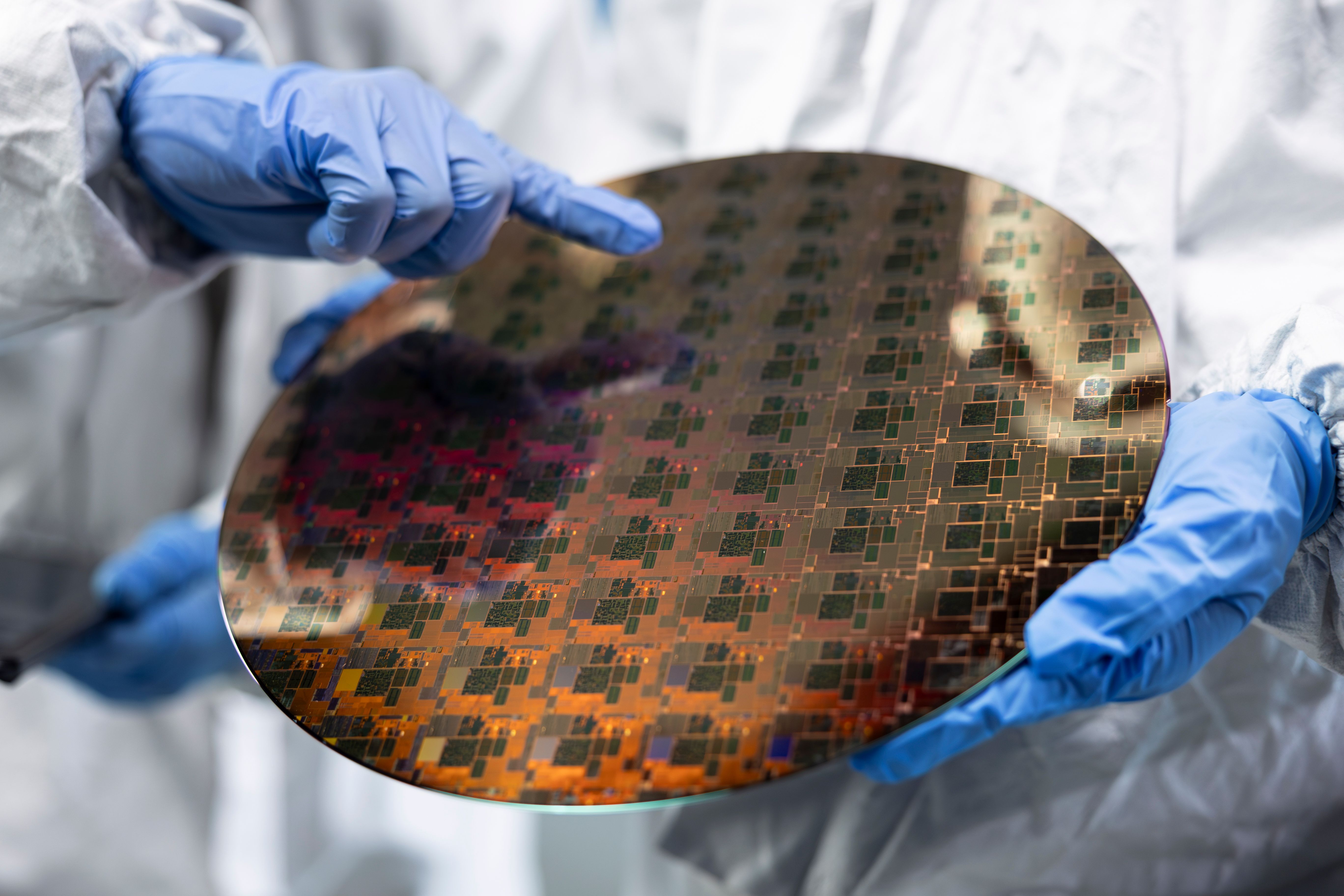
- Handle & Inspect Wafers: Safely handle semiconductor materials and use microscopes and software to identify quality issues.
- Monitor Equipment: Check equipment conditions, recognize alarms or unusual readings, and know when to escalate a problem.
- Support Production: Complete routine equipment checks and accurately record production, quality, and shift information.
- Use AI Responsibly: Use approved AI tools to support procedure comprehension, troubleshooting practice, and workplace communication.
How You'll Learn
Build confidence by practicing the kind of work technicians perform inside semiconductor manufacturing facilities.
- Hands-On Labs & Simulations: Practice manufacturing workflows like cleanroom gowning, wafer handling, equipment monitoring, inspections, and safety procedures.
- Workplace-Style Shift Practice: Work through simulated production scenarios, team handoffs, equipment checks, and quality reviews that reflect how technicians operate during a shift.
- Shift Capstone: Bring your skills together in a realistic shift simulation by monitoring equipment, recording production information, inspecting quality, and responding to equipment alerts.
Career Opportunities After Training
After completing the program, you'll be prepared to pursue entry-level positions such as:
- Process Technician
- Equipment Technician
- Wafer Fab Operator
- Semiconductor Processing Technician
- Cleanroom Technician
In these roles, you may operate or monitor manufacturing equipment, inspect wafers and production conditions, document process information, respond to equipment alerts, and help maintain the safety and quality standards used in semiconductor manufacturing.
What to Expect
Semiconductor manufacturing is an on-site, active career inside highly controlled manufacturing facilities.
- You'll typically wear protective cleanroom clothing and safety equipment while working around automated machinery.
- Day-to-day work may include checking equipment, inspecting wafers, recording measurements, responding to alerts, and following detailed procedures.
- Manufacturing facilities often operate 24/7. Roles may include 12-hour shifts, compressed workweeks, nights, weekends, or rotating schedules.
- Precision and consistency matter. Technicians are expected to follow procedures carefully and escalate problems when something is outside normal conditions.
Your Career Can Grow From Here
Entry-level semiconductor manufacturing roles can help you build the experience needed to take on more specialized responsibilities in equipment, process operations, quality, or other advanced manufacturing areas as your skills grow.
Semiconductor Manufacturing Technician
- View Admissions Process
Before You Apply
Review eligibility requirements and understand each step of the admissions process so you know exactly what to expect before submitting your application.
- Explore Learner Resources
Learner Resources
Your success extends beyond the classroom. From career coaching to learner support and financial resources, we're here to help you succeed from your first day of training through your job search.