We spend a lot of time asking what AI will mean for jobs. But there's another question getting far less attention: Do we have enough people to build, operate, and maintain everything AI requires?
Because for all the talk about models and agents, AI depends on a surprisingly physical world.
Data centers need to be built, powered, and cooled. Advanced manufacturing facilities need machinery installed and maintained. Increasingly automated systems require people who know how to keep them running.
These infrastructure roles have become some of the most important jobs in the American economy.
And we don't have enough people to fill them.
New research from Lightcast helps put the size of that challenge into perspective. Their analysis identifies 135 hands-on occupations requiring specialized training, credentials, or experience rather than a four-year degree. Together, they represent roughly 20 million U.S. jobs.
But what makes these roles especially important now is what's happening around them.
AI May Be Digital. Its Workforce Isn't.
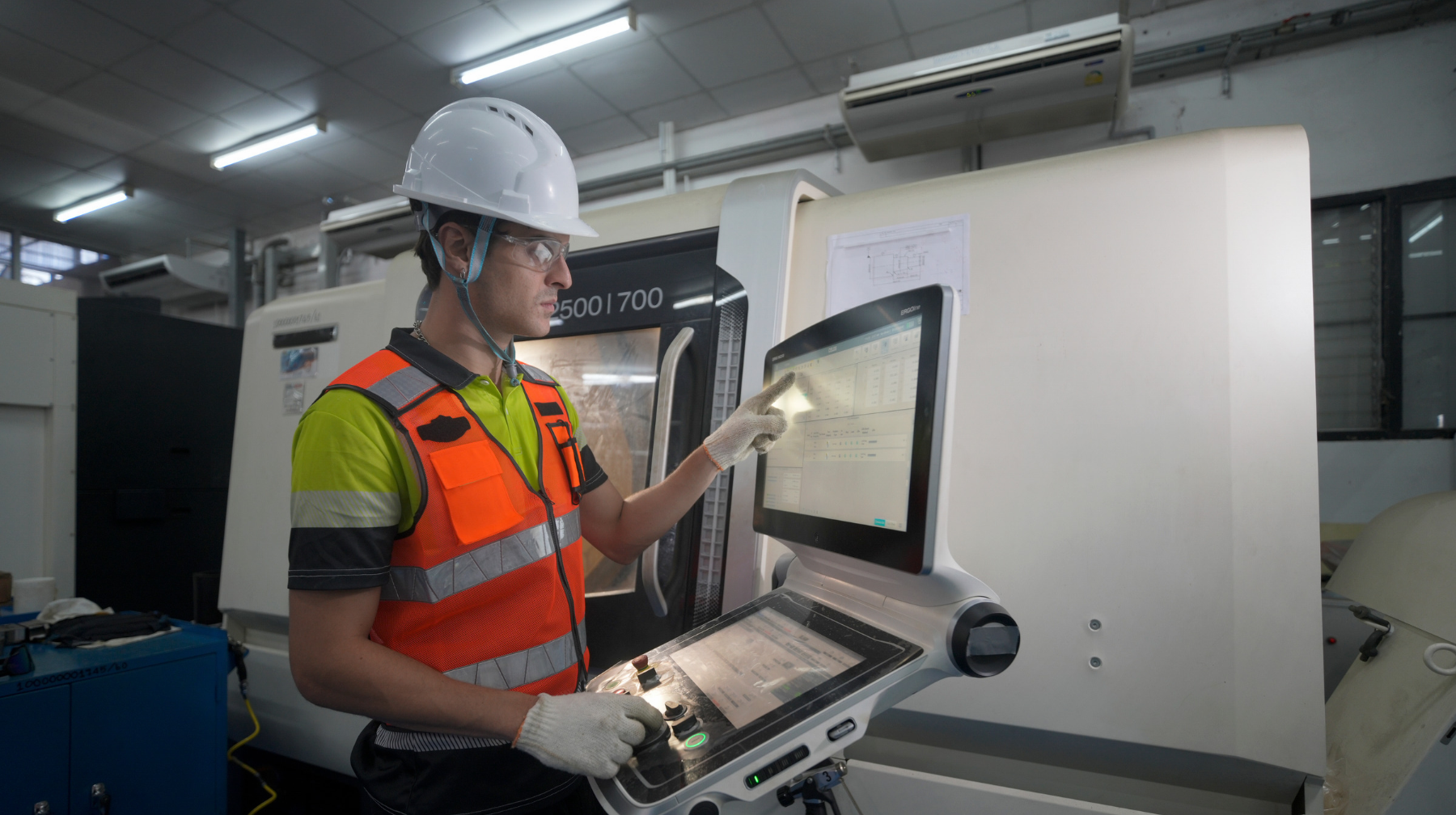
Every new data center, advanced manufacturing facility and automated production line creates another layer of physical infrastructure that has to work.
That takes electricians, industrial machinery mechanics, HVAC technicians, machinists, maintenance and repair workers, and electrical and electromechanical assemblers, people who can install equipment and keep increasingly sophisticated systems operating.
And demand is already growing.
Data center growth has added a net 315,000 trade workers in the last five years.
Source: Lightcast, Defining the Skilled Trades: A Data-Driven Blueprint for the Future (2026)
The skills these jobs require are evolving, too. Programmable logic controllers, electronics, fabrication, electrical wiring, welding and blueprinting are among the technical skills seeing significant demand.
In other words, automation doesn't eliminate the need for people. It changes what we need people to know how to do.
And We Don't Have Enough Humans.
There are 2.1 million openings each year across the occupations included in Lightcast's analysis. The programs preparing people for this work produce only about 800,000 completions annually.
There's a 1.3 million-worker gap in the roles that keep our infrastructure running.
Source: Lightcast, Defining the Skilled Trades: A Data-Driven Blueprint for the Future (2026)
And the pressure is only going to grow. More than one in four workers in these occupations is 55 or older, while retirements and other workforce exits are projected to create 837,000 openings annually through 2035.
Employers who close today's 1.3 million-worker gap still have to keep pace with an additional 837,000 openings per year through 2035.
That Means Building a Different Kind of Pipeline.
For decades, the four-year degree has been treated as the default path to a good career. But many of the jobs our most advanced industries depend on require specialized technical skills and hands-on training that reflects the equipment and environments people will actually encounter on the job.
And employers can't solve the shortage through hiring alone. They need to help build the talent they need.
That means developing new talent, upskilling existing workers, and partnering directly with training providers to prepare people for hard-to-fill technical roles.
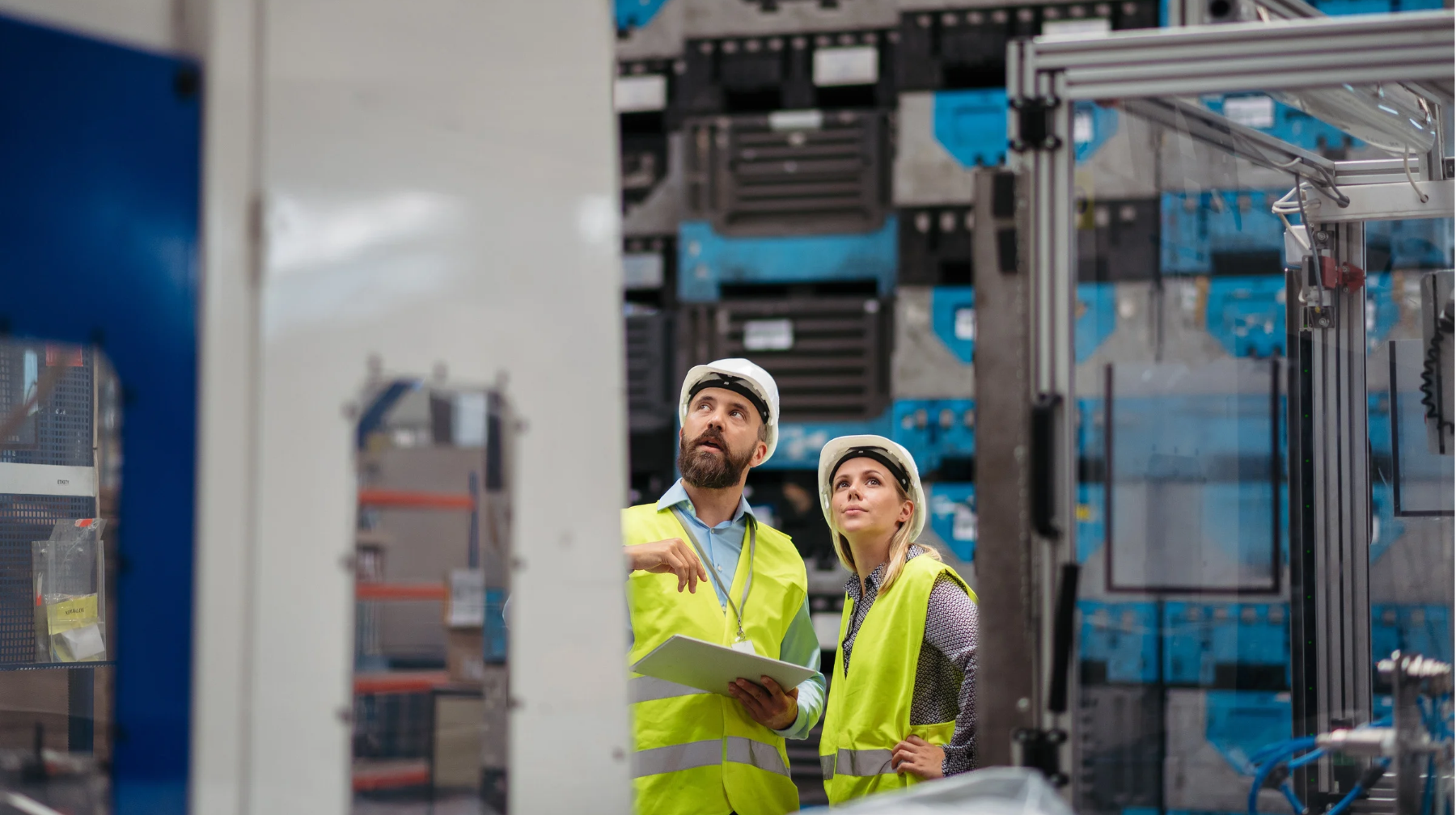
Per Scholas is helping employers do exactly that.
Our Advanced Manufacturing Technician program is designed around the technical skills required in modern industrial environments, preparing people to work with the increasingly automated systems powering American manufacturing.
But training people is only part of the opportunity.
Per Scholas works with employers to align training with real workforce needs, develop customized cohorts around difficult-to-fill roles, upskill existing teams and build sustainable local talent pipelines.
The employers who close this gap first will be the ones who keep pace as AI's physical build-out accelerates.