Six shifts redefining tech talent in 2026
AI adoption isn't slowing. Cloud modernization isn't optional. Cybersecurity risk isn't stabilizing. The pressure on talent has moved beyond headcount shortages to something deeper: skills misalignment, longer ramp times, and retention risk in early- and mid-career roles.
2026 will be a defining year for tech talent. Here are six shifts that cannot be ignored.

1. AI is moving faster than your recruiting team
AI initiatives are expanding across industries, and the demand ripple effect reaches far beyond advanced engineers. Infrastructure support, cloud operations, cybersecurity monitoring, and AI-adjacent data roles are all feeling the strain.
The challenge isn't knowing what to hire for. Employers are clear on the roles they need. The problem is how fast those needs are changing. Recruiting systems were designed for gradual growth and predictable timelines. AI is speeding everything up while shrinking the window to find the right talent.
Open roles remain posted for longer. Qualified, job-ready candidates are harder to source through conventional channels. As demand accelerates, the gap widens. The issue is not just how quickly companies hire. It's whether the current talent pipeline can scale to meet accelerating AI demand.
2. The talent "shortage" is actually a readiness problem
In 2026, the defining issue isn't just supply. It's preparedness.
Employers are seeing applicants with degrees and certifications who lack applied, role-specific experience. Entry-level hires are taking longer to ramp. Early attrition rises when job expectations collide with limited real-world exposure.
The result is not just slower hiring. It's slower productivity. The conversation is shifting from "How many candidates applied?" to "How quickly can they perform?" In this new era, operational readiness has become the real differentiator.

3. Compensation alone cannot solve retention
Compensation continues to rise across early- and mid-career tech roles. Sign-on incentives remain common. Counteroffers are part of routine negotiations.
Yet retention challenges persist.
Each cycle of turnover resets onboarding investment, slows teams down, and increases long-term cost. Higher salaries may attract talent, but they do not guarantee alignment, growth pathways, or stability.
In 2026, the cost of churn is rivaling the cost of hiring itself. Stability requires more than a compensation strategy. It requires workforce alignment.
4. The four-year degree is losing its grip
The long-standing assumption that a bachelor's degree is the primary signal of technical capability is weakening.
Employers are increasingly prioritizing demonstrable skills, certifications aligned to specific roles, and hands-on troubleshooting experience over academic pedigree. Skills-first hiring is expanding access to broader, more diverse talent pools – and reshaping what "qualified" means.
But this shift exposes a gap. Companies may commit to skills-first hiring, but their screening systems still default to old signals like degrees. If the goal is skills-based hiring, the process has to change to match it. Only then will the shift make a real difference.

5. Recruiting requires a long-term strategy
Requisition-based hiring was built for incremental growth. Today's tech landscape demands something more coordinated.
Forward-looking employers are stepping back to examine long-term demand: what roles will be critical 12 to 24 months from now, where that talent will come from, and how to reduce reliance on oversaturated external pools.
The shift is from reactive recruiting to integrated workforce planning – combining hiring, internal mobility, reskilling, and structured external pipelines into a unified strategy.
Hiring fills seats. Workforce strategy builds capability.
6. The smartest employers are building talent. Not just hiring it.
As readiness gaps widen and early-career churn continues, more employers are rethinking where talent actually comes from.
Instead of competing for the same oversaturated pools, they're investing in training aligned to real production environments. When new hires have already worked through hands-on troubleshooting and role-specific scenarios, they ramp faster and stay longer.
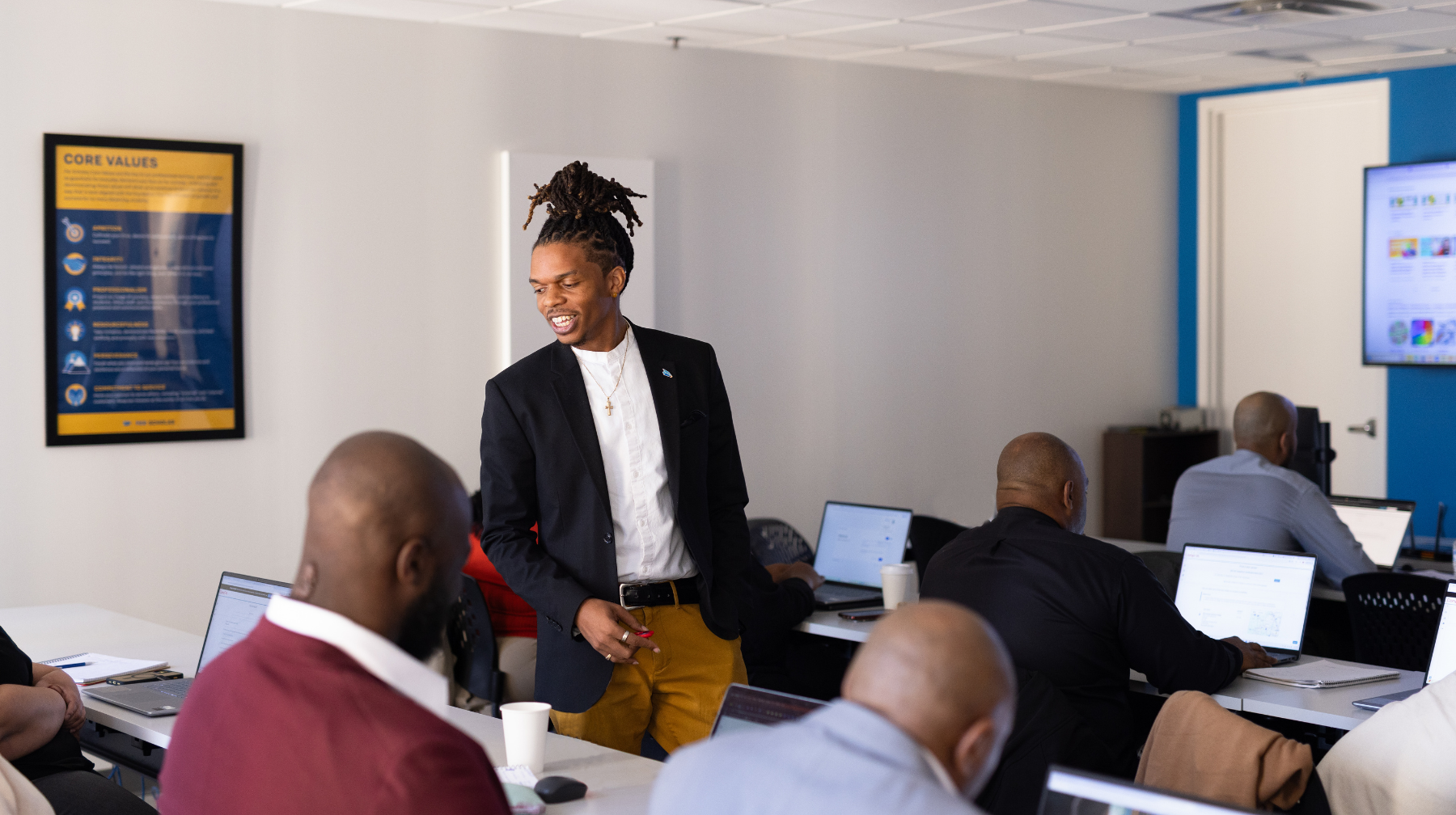
Go from hiring to building with Per Scholas
Per Scholas partners with employers to design training aligned to real-world tech roles across IT support, cloud, infrastructure, and cybersecurity. Graduates enter the workforce with hands-on experience that reflects actual production environments, reducing ramp time and improving retention.
Hiring may fill roles, but it won't close the readiness gap or stabilize retention. In 2026, competitive advantage will belong to employers who build their talent supply with the same intentionality they bring to their technology strategy.