Demand for job-ready technical talent is accelerating faster than traditional campus-based training can supply it. Our new whitepaper, Shared Success, details how the Per Scholas Satellite Model is adopting a more efficient, partnership-driven approach to pipeline development.
A More Efficient Path to Scale
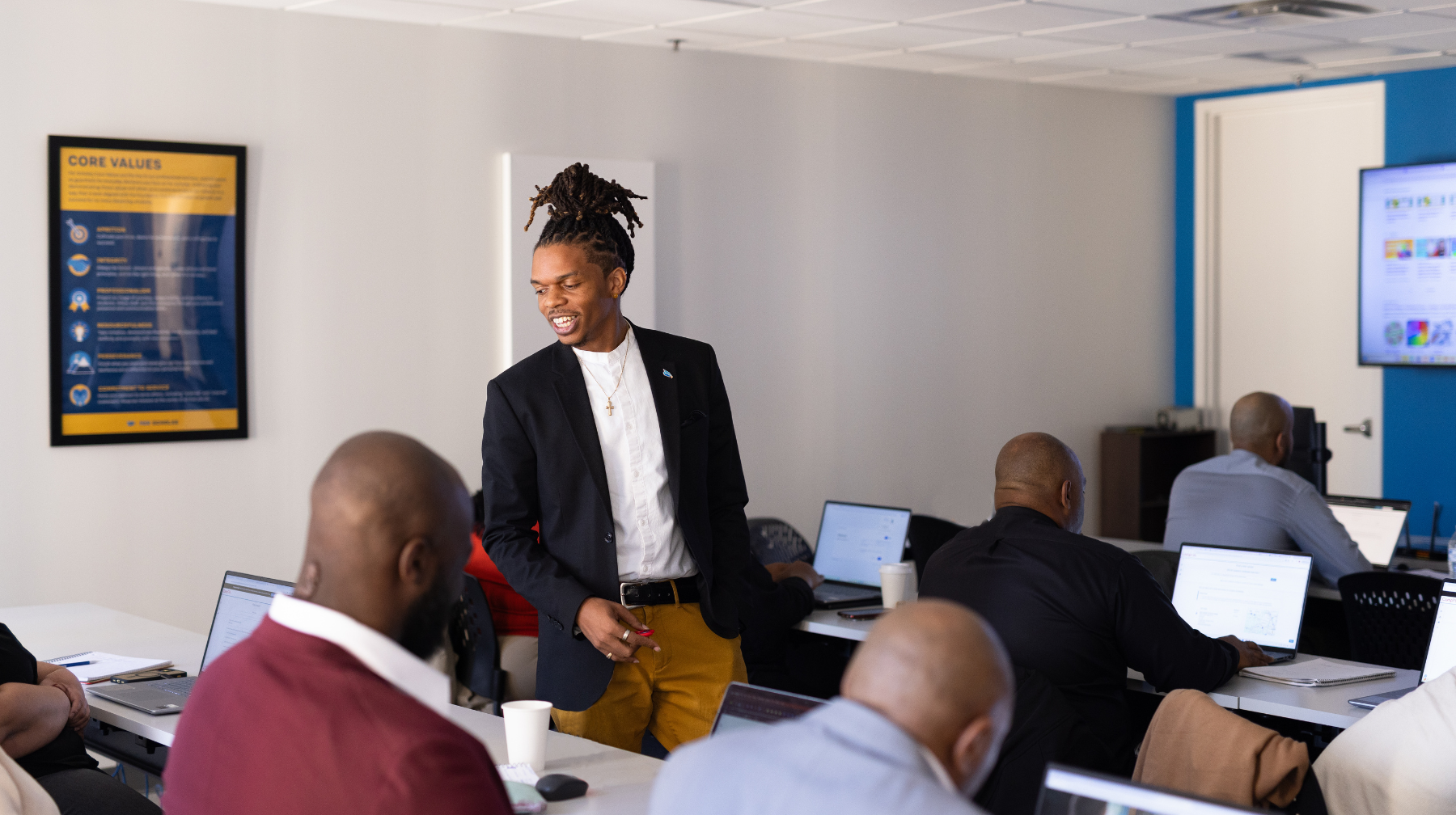
Launched in New York City in 2021, the Satellite Model uses connected classroom technology to deliver live, instructor-led training at partner sites. As a result, this model extends Per Scholas' reach into markets and submarkets without the cost of building new campuses. Eight active partnerships now operate across five markets. Per Scholas plans to add three to five more locations before the end of 2026, including Los Angeles, Pittsburgh, Philadelphia, Greater Cincinnati, and Chicago.
This geographic reach builds a national talent supply chain with the depth of a local market.

Quality and ROI Held Together
Independent analysis by BDO found that the Satellite Model reduces per-technologist delivery costs by roughly 20%. Costs drop from $12,000 to $10,000 today, with projections to reach $7,600 as the model scales.
Meanwhile, outcomes match traditional campus programs. Technologists graduate at an 85% rate and move into roles averaging 2.5 times their pre-training income.
"The Satellite Model is fully integrated into how we operate," said Per Scholas President Caitlyn Brazill. "It's how we scale our impact, with partners playing a critical role in driving that impact."
Read the full whitepaper to see how the model works and where it's headed.