Despite the tech industry's rapid growth, a major talent shortage is getting in the way of innovation. It's no secret that employers are struggling to fill key roles, especially in critical areas like cybersecurity. To tackle this issue, companies and federal agencies are shifting towards skills-based hiring, which focuses on specific technical abilities rather than outdated qualifications – like requiring a 4-year degree. This approach is proving essential for staying competitive.
In this article, we will explore the hiring challenges for tech roles and explain why embracing skills-based hiring is crucial for bridging the talent gap, enhancing diversity, and improving retention.
The Tech Talent Gap Can't Be Ignored
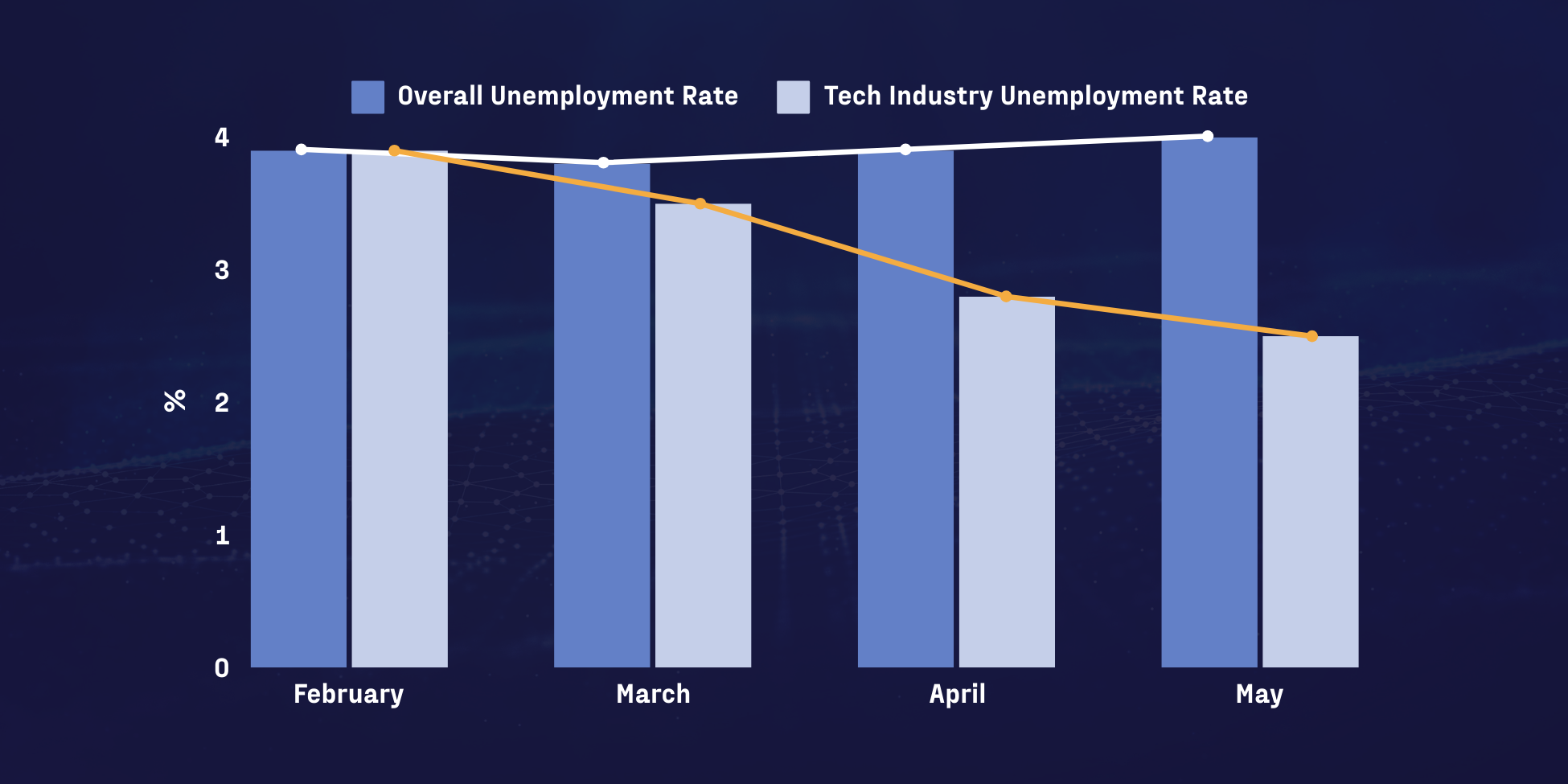
The tech talent shortage is skyrocketing, with tech unemployment now at 2.5%, compared to the overall unemployment rate of 4% – According to the US Bureau of Labor Statistics and CompTIA.
A recent global report on tech talent shortages confirms what we've been feeling: there's a significant demand for skilled tech workers, especially in areas like cybersecurity. Facing the same challenges, the White House is now encouraging the shift to skill-based hiring. They're prioritizing assessing abilities over degrees, recognizing the importance of practical skills in today's tech landscape. This strategic approach is also being embraced by big companies like Motorola, Union Pacific Railroad, and Energy, who are offering apprenticeships and educational programs. Organizations like Per Scholas are also stepping up, providing rigorous training for tech careers and connecting talent to the businesses that need their skills.

A Major Benefit Of Skills-Based Hiring: Retention
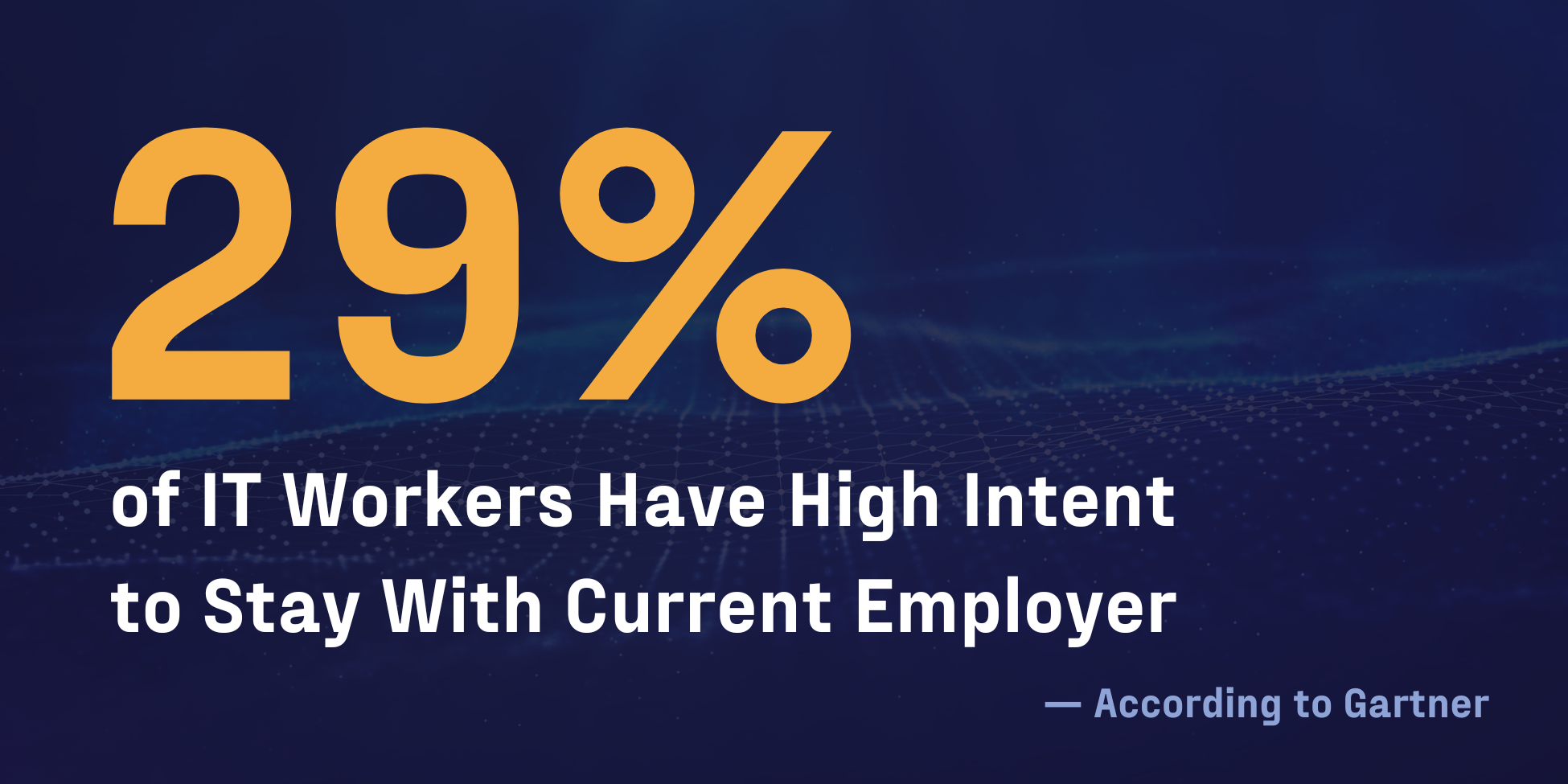
Only 29% of IT Workers Have High Intent to Stay With Current Employer – According to Gartner.
Skills-based hiring is not just about filling positions; it's also about retaining tech talent within organizations. With technologists in high demand, traditional hiring practices that prioritize academic qualifications may overlook valuable candidates. By shifting focus to skills over degrees, companies can identify individuals who not only meet immediate needs but also have the potential to grow and adapt with the organization. This approach improves the recruitment process, ensuring a better fit between candidates and job requirements. Emphasizing skills also promotes a sense of value and belonging among employees, leading to higher job satisfaction and improved retention rates.

Skills-Based Hiring and Promoting Diversity
By focusing on candidates' technical skills rather than degrees, companies can attract talent from different backgrounds and experiences. This approach not only fosters diversity in terms of race, gender, and ethnicity but also brings together a variety of perspectives and ideas. Research shows that diverse teams perform better because they bring different viewpoints to the table – they're better at solving problems and understanding the needs of diverse customers. Organizations like Per Scholas, which provide training and resources to individuals who are often excluded from tech careers, play a crucial role in promoting diverse talent in the tech industry. By embracing skills-based hiring and supporting initiatives that promote diversity, companies can build stronger, more innovative teams poised for success in today's competitive tech landscape.

The Future of Recruiting
When companies stick to outdated hiring practices prioritizing degrees over relevant skills, they risk overlooking workers who can be major assets to their organization. It works against diversity initiatives by favoring those with access to higher education. In today's dynamic job market, where specific skills are in high demand, organizations that fail to embrace skills-based hiring may struggle to attract top talent and remain competitive.