The race to build AI infrastructure has made data center development one of the most capital-intensive construction cycles in modern history. In the first half of 2025, U.S. data center markets added more than 8,000 megawatts of new capacity, a record year-over-year increase, while vacancy rates fell to 1.6% and roughly 74% of capacity under construction was already pre-leased before completion. Demand is not the constraint. The variable showing up on project timelines and operational performance reports is labor.
Nearly two-thirds of operators report difficulty hiring or retaining qualified staff, and data centers are taking close to 60 days to fill critical operations roles because only 15% of applicants meet baseline qualifications. The gap runs the full length of the infrastructure lifecycle.
Competing for experienced technicians in the open market has not closed it. Redistributing existing talent does not increase the supply of trained people the industry needs.
Building New Supply
Since 2022, Per Scholas has been building training programs directly aligned to the roles employers in this space struggle to fill, including Critical Facility Technicians, Low Voltage Telecom Technicians, and Building Automation Specialists, working in partnership with employers in Phoenix, Atlanta, Kansas City, and other markets to ensure program content reflects real operational requirements. Learn about some of the technologists who have come through those programs and where they are working today.
What the Training Produces
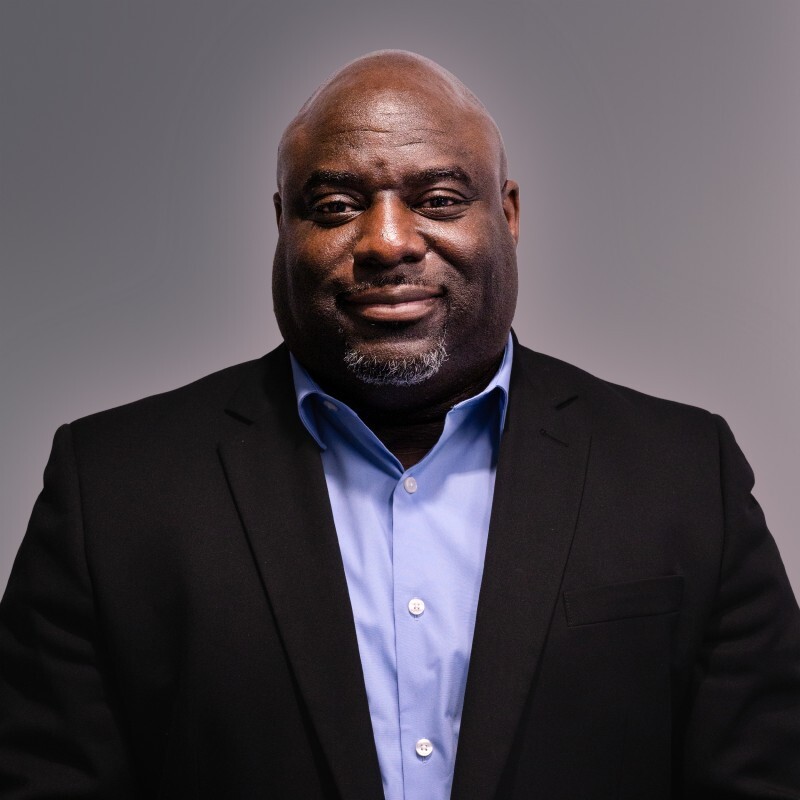
Craig Curry
Datacenter Technician Manager | Microsoft | Phoenix, AZ
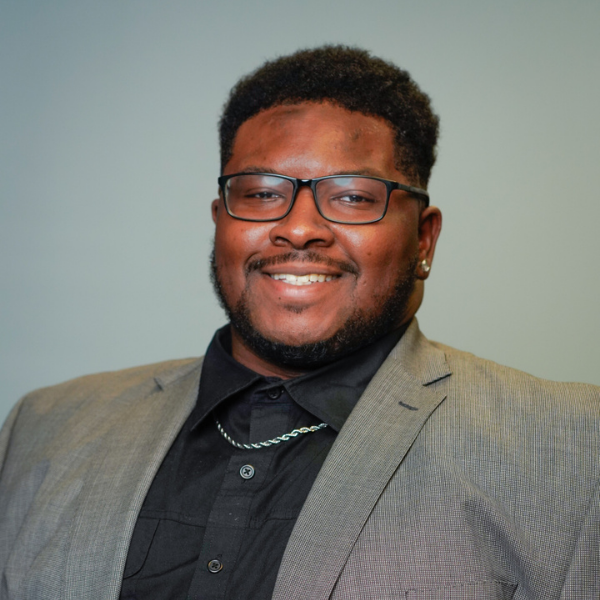
After 17 years in law enforcement, Craig Curry was looking for a career with a clearer path forward and long-term stability for his family. He enrolled in the IT Support program at Per Scholas Phoenix in 2023 and began working at a Microsoft data center through a TEKsystems contract via the Rising Talent initiative. Within a little over half a year, he joined Microsoft as a full-time employee. He is now a Datacenter Technician Manager.
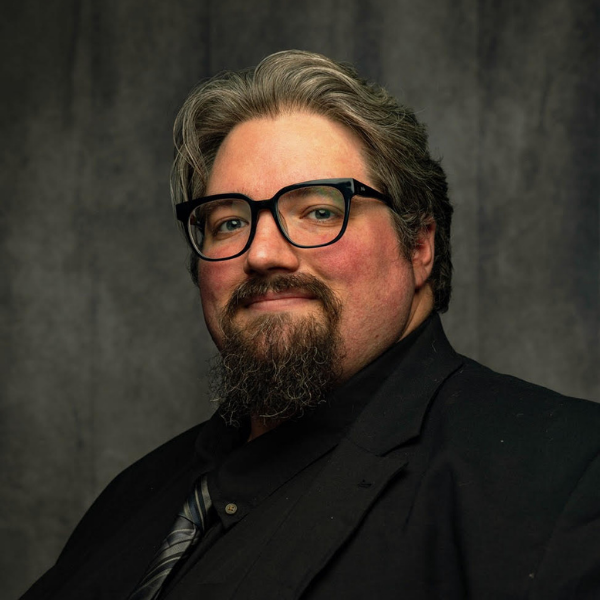
Thomas Rowswell
Level 2 Technician | Microsoft | Phoenix, AZ
Thomas Rowswell spent 16 years at a video surveillance startup, joining when it was a handful of people and helping it grow to 60 employees and hundreds of accounts, before deciding the next chapter needed to be his own. He enrolled in the Data Center Technician program at Per Scholas Phoenix and was identified for the Microsoft Rising Talent initiative before his cohort had finished. At the end of his TEKsystems contract, Microsoft brought him on as a Level 2 Technician, a designation above the standard entry-level position.
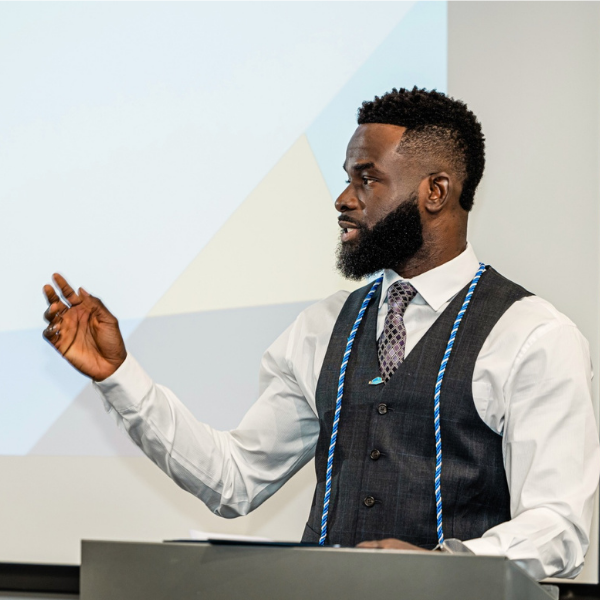
Akintunde Akinwande
Datacenter Technician | TEKsystems | Phoenix, AZ
Akintunde Akinwande spent years building a career as a Grammy-nominated producer and songwriter before deciding that technology offered the long-term growth and learning trajectory he was looking for. He enrolled in the Data Center program at Per Scholas Phoenix, graduated as valedictorian of his cohort, and joined TEKsystems as a Datacenter Technician.
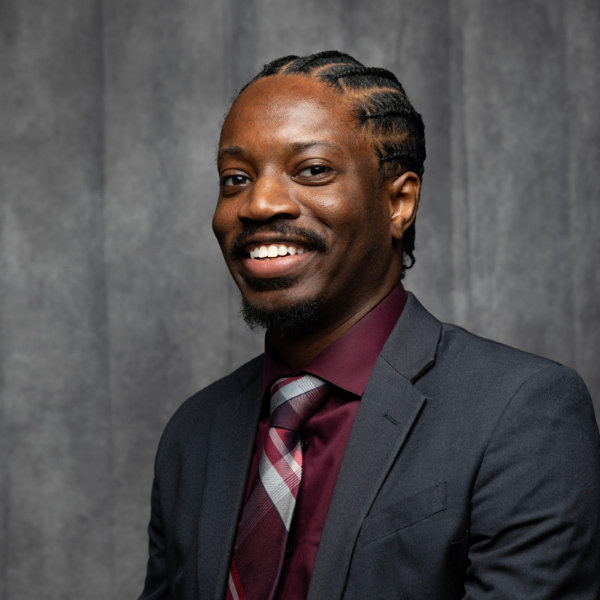
Aasif Allen
Datacenter Technician | Microsoft | Phoenix, AZ
Aasif Allen was working in the restaurant industry when he enrolled in the Data Center program at Per Scholas Phoenix, where he earned a Cisco Networking Essentials certification. After graduating, he entered a TEKsystems contract supporting Microsoft data centers through the Rising Talent initiative, working on hardware, component replacement, and network configuration. He converted to a full-time Datacenter Technician role at Microsoft and is now pursuing a computer science degree while exploring an upskilling path into cloud solutions.
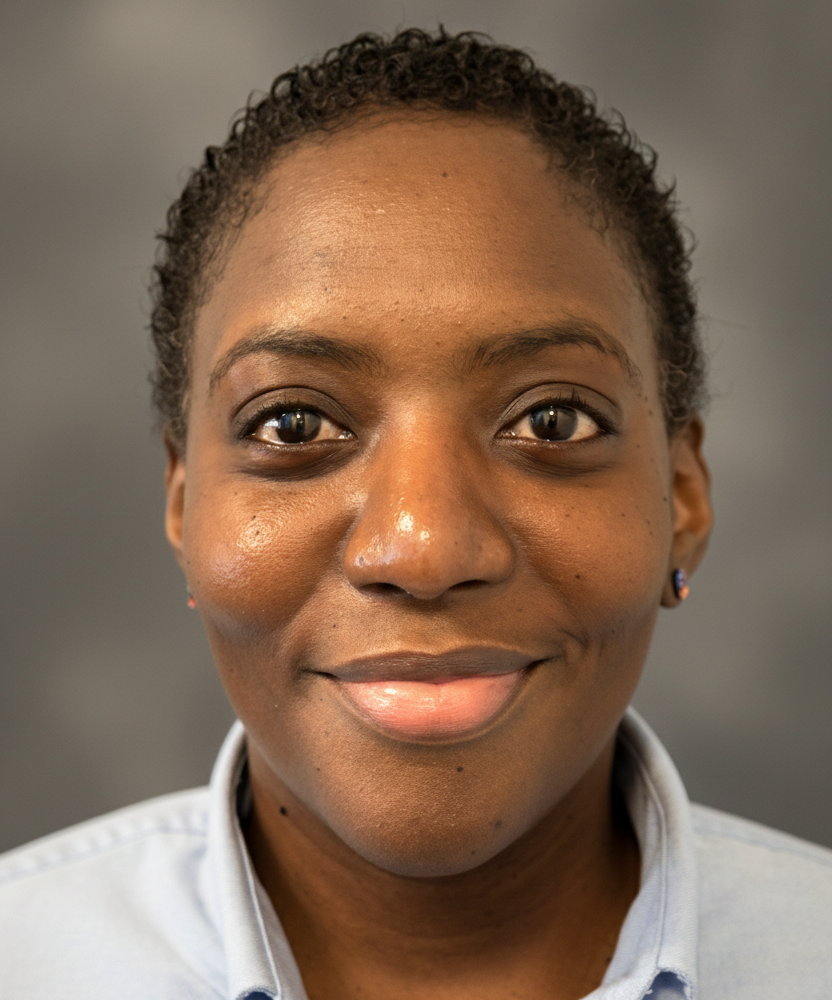
LaQuana Hill
Level 4 Data Center Technician | TEKsystems | Atlanta, GA
LaQuana Hill spent more than 15 years in armed security before relocating to Georgia and enrolling in the Low Voltage Technician program at Per Scholas Atlanta, a cohort sponsored directly by TEKsystems. She graduated as valedictorian and moved immediately into an active hyperscale construction environment, where the skills from the classroom translated directly to enterprise-scale systems. Within her first year she advanced to Level 4 Data Center Technician at TEKsystems.
Janay Smith-Ramsey
Data Center Technician | Google | Atlanta, GA
Janay Smith-Ramsey left school at 16 and spent years working in cosmetology and cleaning houses as a single mother before learning about Per Scholas through a friend who had gone through the Atlanta campus. She enrolled, earned her CompTIA A+ and Security+ certifications, and continued studying machine learning and project management beyond the program curriculum. She is now a Data Center Technician at Google.