New data centers require specialized power solutions and cooling equipment, and these components can only be built in physical factories. Major manufacturers are racing to train a rapidly expanding data center manufacturing workforce before these plants come online.
The challenge is that traditional training pathways take three to four years, far slower than the pace at which these plants are coming online.
Understanding The AI Buildout
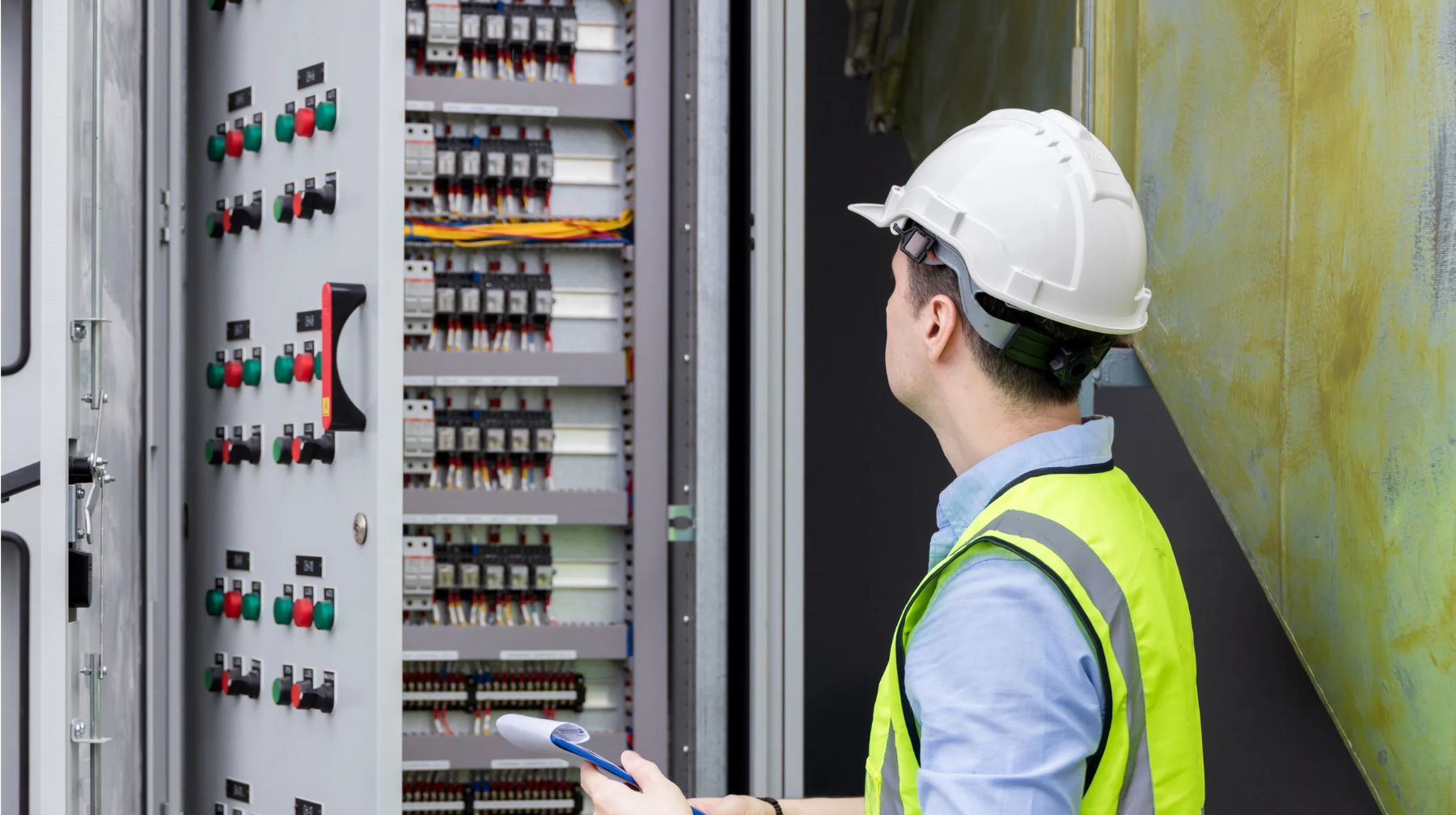
Coverage of the AI infrastructure boom involves power usage, grid capacity, and developers who are struggling with interconnection queues. But little attention is paid to the physical gear needed for AI data centers: switchgear, transformers, generators, and essential cooling systems.
Power and cooling equipment shortages have led companies like Siemens to open new factories dedicated to building electrical infrastructure for AI data centers. Siemens announced in August 2026 that it would invest $200 million into U.S. manufacturing via two new factories that would create 1,500 jobs.
This investment is essential to meet the demand for new data centers, and Siemens isn't the only company working to meet this demand. Vertiv, another company crafting cooling and power systems for data centers, has more orders than it can fill. The backlog is worth $15 billion, which is up 109% since last year.
Power management specialist Eaton has also expanded its operations to meet switchgear demand, specifically driven by the AI data center boom. With production planned to start in early 2027, the company needs to source or train 200+ skilled personnel.
To hit those production dates, these companies need qualified personnel ready to start working in specialized engineering, manufacturing, and production roles.
The Bottleneck
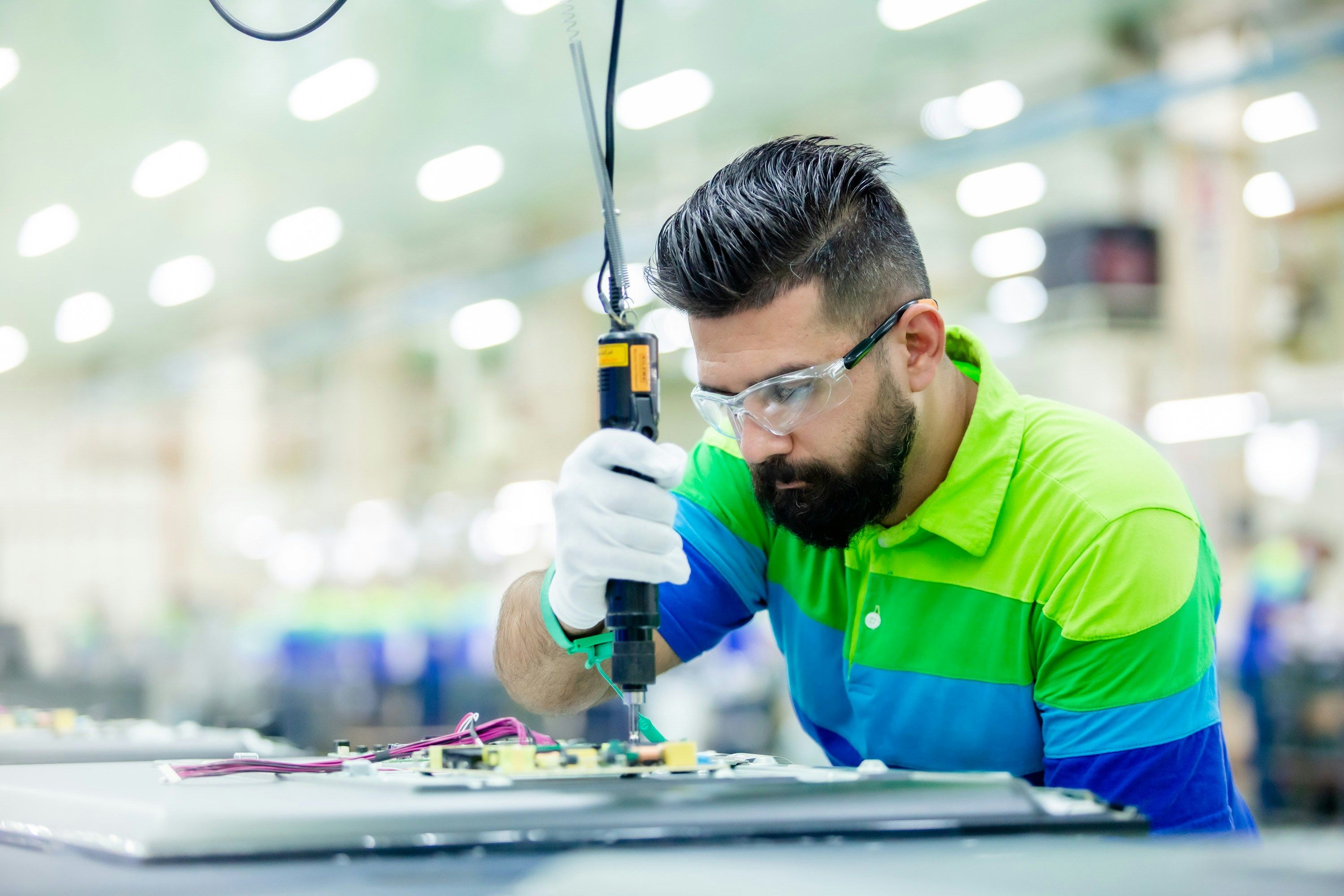
Manufacturers are, in effect, racing to train personnel before new plants open. Without properly trained workers, plants will remain unproductive.
Ashley Arner, HR director for data centers at Modine Manufacturing, spoke to Wisconsin Public Radio about the firm's new plant in Franklin: "We are working really hard to bring some of our key talent in prior to taking occupancy of that building and starting to get some people trained up."
In a matter of weeks, plants may open with only a skeleton crew of trained personnel and a huge backlog of orders. Some specialist manufacturers, such as Industrial Electric Manufacturing (IEM), are addressing this need by developing phased recruitment plans. IEM plans to scale up recruitment at its San Antonio facility, aiming for 3,000 FTE by 2030.
The same pressure shows up further up the supply chain, too. Transformer lead times have climbed to a 120-week average, and NEMA points directly to ongoing workforce shortages as a cause, alongside steel supply constraints slowing production further. Transformer lead times have climbed to a 120-week average, and NEMA points directly to ongoing workforce shortages as a cause, alongside steel supply constraints slowing production further.
While experts may debate whether the backlogs in the AI infrastructure supply chain stem from procurement issues or workforce shortages, there's no denying that specialist manufacturers are already convinced that additional personnel are essential to success.
One Siemens Energy executive, when discussing a new high-voltage switchgear plant in Mississippi, stated that the company's growth is effectively tied to hiring and training: "Our continued success in this state will require hiring and training more workers." That ethos has led Siemens to include an on-site manufacturing technician training center in their new facility.
Why The Labor Shortage Issue Doesn't Fix Itself
Of course, not every company has the means or funds to invest in a dedicated training center. Many must rely on updating their hiring strategies and seeking new talent pipelines.
The primary challenge is that skilled manufacturing workers take years to reach the level required for these specialist roles, particularly when those workers take conventional educational and training pathways. Most millwrights, one of the trades this shortage touches, go through an apprenticeship that lasts about four years.
A hiring surge cannot compensate for the fact that demand vastly outstrips the volume of qualified personnel on the market. Back in 2024, the National Infrastructure Advisory Council noted that the U.S. didn't have an effective pipeline in place to train and retain the manufacturing talent needed at the time, and demand has only increased since then. The recommendation at that time was to grow pipelines via partnerships with academic institutions and trade schools.
Even with these partnerships, the talent pool is slow to grow. Intense recruitment runs tend to attract skilled workers from other companies, doing nothing to alleviate the talent shortages at the core of the problem. Those companies then have to replace those skilled workers, at a cost of up to $40,000 per head.
Closing the Gap
A shorter pathway to qualified personnel is the answer. Per Scholas has created that via its 15-week Advanced Manufacturing Technician program, backed by The Campbell's Company and Focusing Philanthropy. Campbell's and Per Scholas worked closely together for a year to better understand the true technical demands of modern manufacturing.
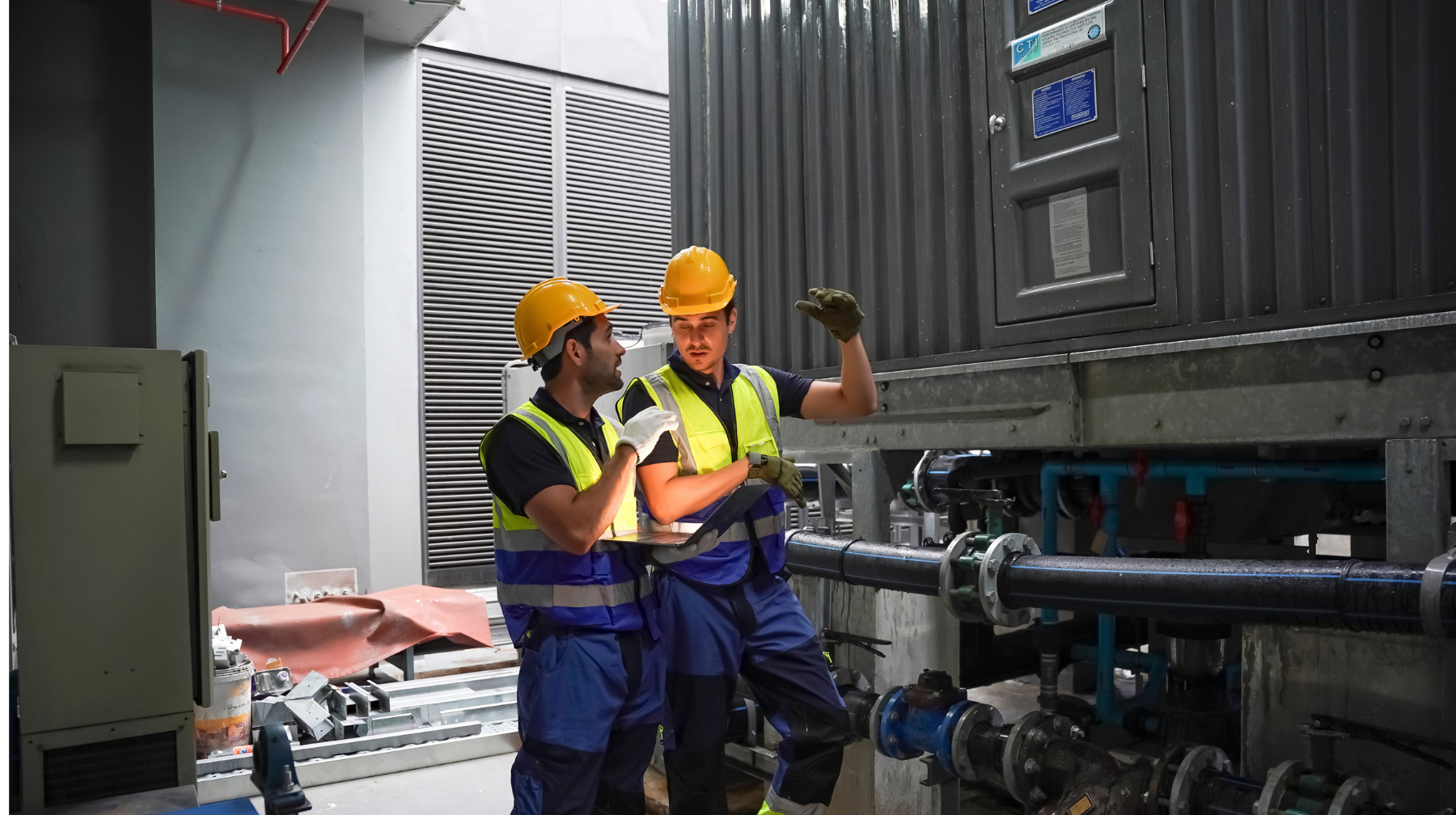
The program's curriculum trains workers for the specific disciplines that support data center infrastructure, resulting in job-ready advanced manufacturing technicians, maintenance technicians, electrical instrumentation technicians, and controls or automation technicians.
Learners cover industrial electricity, fluid power, motor-driven systems and troubleshooting, precision maintenance, and industrial safety and standards, across 400+ hours over 15 weeks, with OSHA-10 and NFPA 70E credentials built in. A plant racing toward a production date doesn't need workers to become experts over years, it needs them job-ready on a schedule that actually matches when the doors open, and that's the specific gap this program is built to close.
Partner With Per Scholas
Build the talent pipeline you need to ensure plants are productive from opening day, supporting AI infrastructure via efficient, skilled workers who can bring backlogs down.
Contact Per Scholas to bring the Advanced Manufacturing Technician program to your market or discuss custom training solutions for your existing workforce.